

Colonoscopy remains one of the most effective cancer screening tools available in modern medicine. Despite its proven ability to save lives, many people avoid or delay this procedure due to misconceptions, embarrassment, or fear. Understanding what colonoscopy involves, why it matters, and what to expect demystifies the process and encourages people to prioritize this essential screening. This comprehensive guide provides everything you need to know about colonoscopy.
What Is a Colonoscopy?

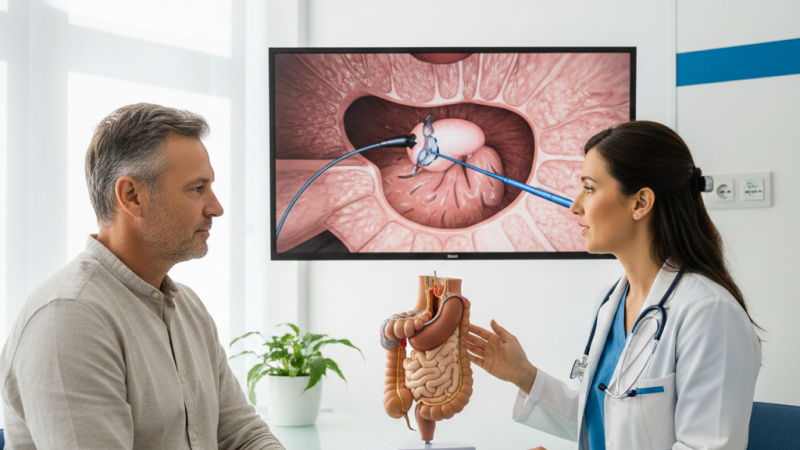
A colonoscopy is a medical procedure that allows doctors to examine the entire large intestine, also called the colon. The gastroenterologist uses a long, flexible tube called a colonoscope equipped with a tiny camera and light. This instrument transmits real-time images to a monitor, enabling detailed visualization of the colon’s inner lining.
The procedure serves both diagnostic and therapeutic purposes. Diagnostically, it identifies problems like polyps, inflammation, bleeding sources, and cancerous growths. Therapeutically, doctors can remove polyps, stop bleeding, and take tissue samples during the same procedure. This dual capability makes colonoscopy uniquely valuable compared to other screening methods.
The entire colon measures approximately five feet long. The colonoscope travels through each section, including the rectum, sigmoid colon, descending colon, transverse colon, ascending colon, and cecum. Thorough examination of all these areas ensures no abnormalities go undetected.
Why Colonoscopy Screening Saves Lives
Colorectal cancer represents the third most common cancer diagnosis and the second leading cause of cancer death worldwide. However, it is also one of the most preventable cancers when caught early. Colonoscopy screening dramatically reduces both incidence and mortality rates.
Most colorectal cancers develop from polyps, which are small growths on the colon lining. These polyps typically grow slowly over 10 to 15 years before potentially becoming cancerous. Colonoscopy identifies and removes polyps before they transform into cancer. This intervention literally prevents cancer from developing.
When colorectal cancer is detected at early stages, the five-year survival rate exceeds 90%. Unfortunately, many cases are diagnosed at advanced stages when treatment becomes more difficult and survival rates drop significantly. Regular screening catches cancer early when it remains highly treatable. Understanding early symptoms of colon cancer helps identify warning signs between screenings.
Studies consistently show that people who undergo regular colonoscopy screening have significantly lower rates of colorectal cancer death compared to those who avoid screening. The procedure’s life-saving impact cannot be overstated.
Who Needs a Colonoscopy and When
Screening recommendations depend on individual risk factors. Average-risk individuals should begin screening at age 45, though some organizations recommend starting at age 50. People with higher risk factors need earlier and more frequent screening.
High-risk factors include:
- Family history of colorectal cancer or polyps
- Personal history of inflammatory bowel disease
- Certain genetic syndromes
- Previous radiation therapy to the abdomen or pelvis
Warning signs requiring immediate colonoscopy:
- Rectal bleeding or blood in stool
- Persistent change in bowel habits
- Unexplained weight loss
- Severe abdominal pain
- Iron deficiency anemia
These symptoms warrant immediate evaluation rather than waiting for routine screening age. Recognizing warning signs that indicate you need a colonoscopy soon prevents dangerous delays.
After an initial screening colonoscopy, follow-up timing depends on findings. If no polyps are found, repeat screening typically occurs in 10 years. If polyps are removed, follow-up may be needed in 3 to 5 years depending on polyp characteristics. Your gastroenterologist provides personalized recommendations based on your specific results.
Preparing for Your Colonoscopy
Preparation represents the most challenging aspect of colonoscopy for many patients. However, thorough preparation is absolutely essential for accurate examination. The colon must be completely empty and clean for the doctor to see the lining clearly. Inadequate preparation may require repeating the entire process.
Preparation typically begins several days before the procedure. Your doctor provides specific instructions that you must follow precisely. Generally, the process involves dietary restrictions and taking a bowel preparation solution.
Dietary Modifications
About three to five days before the procedure, avoid high-fiber foods including nuts, seeds, whole grains, raw vegetables, and corn. These items are difficult to clear from the colon. Two days before, switch to low-fiber, easily digestible foods. The day before the procedure, consume only clear liquids.
Acceptable clear liquids include:
- Water
- Clear broth
- Plain tea or coffee without milk
- Clear juices without pulp
- Sports drinks
- Plain gelatin
Avoid red or purple colored liquids as they can be mistaken for blood during examination.
Bowel Preparation Solution
The evening before and morning of your procedure, you’ll drink a prescribed bowel preparation solution. These solutions work by causing frequent, watery bowel movements that empty the colon. Several different preparations exist, and your doctor selects one based on your health conditions and preferences.
Tips to make prep easier:
- Drink the solution cold
- Use a straw placed far back on your tongue
- Suck on hard candy between glasses
- Take small sips continuously rather than large gulps
- Stay near a bathroom
Bowel movements begin within one to two hours and continue for several hours. Complete bowel preparation produces clear or light yellow liquid stools. If stool remains brown or contains solid matter, contact your doctor as additional preparation may be needed. Learning how to prepare for a colonoscopy provides detailed preparation strategies.
What Happens During the Procedure
On procedure day, arrive at the endoscopy center or hospital as directed. You’ll change into a hospital gown and meet with the medical team. An IV line is placed for administering sedation medication. You’ll discuss your medical history and any concerns with the gastroenterologist and anesthesia provider.
Most colonoscopies are performed under conscious sedation or monitored anesthesia. You receive medication that makes you drowsy and comfortable but allows you to respond to instructions. Some patients receive deeper sedation where they remain completely unconscious. The sedation choice depends on your preference, anxiety level, and medical conditions.
Once sedated, you’ll lie on your left side with knees drawn toward your chest. The doctor gently inserts the colonoscope through the rectum and advances it slowly through the entire colon. Air or carbon dioxide is introduced to expand the colon for better visualization. This may cause feelings of pressure or cramping, though sedation minimizes discomfort.
The camera transmits high-definition images to monitors. The gastroenterologist carefully examines every section of the colon lining while advancing and withdrawing the scope. The entire examination typically takes 30 to 60 minutes, though time varies based on findings and whether polyps are removed.
When polyps are identified, the doctor removes them using specialized instruments passed through the colonoscope. Small polyps are completely removed using a wire loop that cuts and cauterizes simultaneously. Removed polyps are sent to a laboratory for microscopic examination to determine if they contain precancerous or cancerous cells.
Recovery After Colonoscopy
After the procedure, you’ll rest in a recovery area while sedation wears off. Medical staff monitor your vital signs and ensure you’re stable. Most people feel groggy for one to two hours. You may experience mild cramping or bloating from air remaining in the colon. Walking helps expel this gas and reduces discomfort.
Important recovery guidelines:
- Cannot drive for 24 hours after sedation
- Arrange for someone to drive you home
- Avoid making important decisions until the next day
- No alcohol for 24 hours
- Start with light, easily digestible foods
You may notice small amounts of blood in your first bowel movement if polyps were removed. This is normal.
Contact your doctor immediately if you experience:
- Significant bleeding
- Severe abdominal pain
- Fever
- Persistent vomiting
The gastroenterologist typically provides preliminary findings before you leave. Complete results, including polyp pathology if applicable, are available within one to two weeks.
Potential Risks and Complications
Colonoscopy is extremely safe, with serious complications occurring rarely. However, like any medical procedure, risks exist. The most common side effect is mild bloating and cramping, which resolves quickly.
Perforation, or a tear in the colon wall, represents the most serious complication. This occurs in approximately 1 in 1,000 to 2,000 procedures. Risk increases with polyp removal, especially for large polyps. Perforation usually requires surgical repair.
Bleeding can occur after polyp removal, typically within two weeks of the procedure. Minor bleeding stops on its own, but significant bleeding may require repeat colonoscopy to control. Adverse reactions to sedation medications occur rarely but are closely monitored.
Despite these potential risks, the benefits of colonoscopy far outweigh the dangers, especially considering the procedure’s cancer prevention capabilities.
Alternative Screening Methods

While colonoscopy remains the gold standard, other colorectal cancer screening options exist:
Stool-based tests:
- Fecal immunochemical test (FIT) – Annual testing
- Stool DNA tests – Every 1-3 years
- Positive results require follow-up colonoscopy
Other procedures:
- Flexible sigmoidoscopy – Examines only lower colon
- CT colonography – Virtual colonoscopy using imaging
- Still requires bowel preparation
Each screening method has advantages and limitations. Colonoscopy’s ability to examine the entire colon, remove polyps immediately, and provide definitive results makes it the preferred screening approach for most people. Understanding the risks of delaying colonoscopy emphasizes the importance of timely screening.
Overcoming Barriers to Screening
Many people delay colonoscopy due to embarrassment, fear, or inconvenience. These concerns are understandable but should not prevent life-saving screening. Medical professionals perform thousands of colonoscopies and maintain patient dignity throughout. Sedation ensures you remain comfortable and unaware during the procedure.
The preparation, while unpleasant, lasts only one day. Compare this temporary inconvenience to the devastating consequences of undetected colorectal cancer. Financial concerns prevent some people from screening. However, most insurance plans, including Medicare, cover screening colonoscopy without cost-sharing when performed at recommended intervals.
Conclusion
Colonoscopy represents one of medicine’s most effective preventive tools. It identifies and removes precancerous polyps before they become cancer, directly preventing disease development. Regular screening dramatically reduces colorectal cancer incidence and death rates. While preparation requires effort and the procedure may seem intimidating, the life-saving benefits far outweigh temporary discomfort. Adults aged 45 and older, and those with risk factors, should prioritize colonoscopy screening. Understanding comprehensive gastroenterology procedures available helps you make informed decisions about your digestive health.
Schedule Your Colonoscopy Today
Don’t wait to protect your health. Dr. Preetha Thomas, gastroenterologist in Pretoria, provides compassionate, expert colonoscopy screening with state-of-the-art equipment and personalized care to ensure your comfort and safety throughout the process.
Contact us today to schedule your screening colonoscopy.