

Your liver is one of the most hardworking organs in your body, performing over 500 different functions essential to your survival. It filters toxins from your blood, produces proteins needed for blood clotting, stores energy, helps digest food, and regulates countless metabolic processes. Yet despite its critical importance, the liver is also remarkably silent when it’s in trouble.
Unlike your heart, which lets you know immediately when something’s wrong through chest pain, or your stomach, which signals distress through obvious discomfort, your liver can be seriously damaged before producing any symptoms at all. The liver doesn’t have pain receptors in most of its tissue, so by the time you feel pain or notice obvious problems, significant damage may have already occurred.
This is why understanding the subtle early warning signs of liver problems becomes absolutely crucial. Catching liver disease early—before it progresses to cirrhosis or liver failure—makes an enormous difference in treatment outcomes and long-term health. As a gastroenterologist with a special interest in hepatology, I want to share the warning signs you should never ignore, even when they seem minor or unrelated to your liver.
Why Early Detection Matters So Much
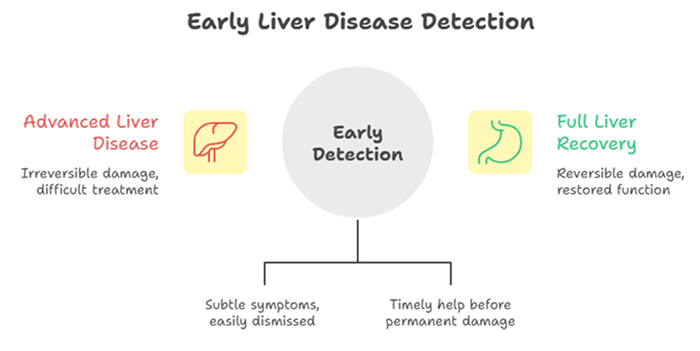
The liver has an extraordinary ability to regenerate. Even when up to 75% of liver tissue is damaged, the organ can potentially regenerate and restore function—if the underlying cause is addressed early enough. This regenerative capacity means that liver disease caught in early stages is often reversible or at least manageable.
However, once liver disease progresses to advanced cirrhosis, the damage becomes irreversible. At that point, treatment focuses on preventing further damage and managing complications rather than reversing disease. This is why recognizing early warning signs and seeking timely medical evaluation can literally be the difference between full recovery and progressive, life-threatening disease.
The challenge is that early liver disease often produces vague, easily dismissed symptoms that people attribute to stress, aging, or other common causes. Learning to recognize these subtle signals empowers you to seek help before reversible damage becomes permanent.
Understanding Your Liver Disease Risk
Before diving into warning signs, let’s understand who’s most at risk for liver problems. Knowing your risk factors helps you stay vigilant for early symptoms.
High-risk factors include:
- Excessive alcohol consumption (more than moderate drinking guidelines)
- Obesity or being overweight, especially with abdominal fat
- Type 2 diabetes and metabolic syndrome
- High cholesterol and triglycerides
- Viral hepatitis (Hepatitis B or C)
- Family history of liver disease
- Certain medications taken long-term
- Exposure to toxins or chemicals
- Autoimmune conditions
- Rapid weight loss or yo-yo dieting
If you have one or more risk factors, paying close attention to early warning signs becomes even more important. Many people with fatty liver disease—now affecting nearly one in three adults—have no idea their liver is struggling until much later when symptoms become obvious.
Understanding what foods help and hurt your liver provides valuable guidance for protecting this vital organ. Making informed dietary choices can prevent many liver problems from developing in the first place.
The Silent Early Warning Signs
Persistent Fatigue That Doesn’t Improve With Rest
This might be the earliest and most commonly dismissed symptom of liver disease. We’re not talking about normal tiredness after a busy day or poor night’s sleep. This is profound, persistent exhaustion that doesn’t improve with rest, interferes with daily activities, and seems disproportionate to your activity level.
When your liver isn’t functioning properly, toxins that should be filtered out accumulate in your bloodstream. Your body must work harder to compensate, leading to overwhelming fatigue. Additionally, liver disease often causes anemia and metabolic changes that contribute to exhaustion.
Many people attribute this fatigue to stress, aging, poor sleep, or busy lifestyles. While those factors certainly cause tiredness, persistent fatigue that doesn’t respond to rest and lifestyle improvements warrants medical evaluation, especially if other subtle symptoms accompany it.
Unexplained Loss of Appetite
Your liver plays a crucial role in digestion and metabolism. When it’s not working properly, you may notice a decreased interest in food without any clear reason. This isn’t the occasional day of reduced appetite everyone experiences—it’s a persistent disinterest in eating that continues for weeks.
Some people also develop specific aversions to foods they previously enjoyed, particularly fatty or rich foods. Your body instinctively avoids foods that are harder for your struggling liver to process. Weight loss may follow, though some forms of liver disease cause weight gain instead due to fluid retention.
Digestive Changes and Discomfort
Early liver disease often manifests through vague digestive symptoms that people rarely connect to their liver. You might experience nausea that comes and goes without explanation. A feeling of fullness or discomfort in the upper right abdomen, just below your rib cage, can signal liver enlargement or inflammation.
Some people notice increased bloating or changes in bowel habits. While these symptoms have many possible causes, when they persist without obvious explanation and occur alongside other subtle signs, liver problems should be considered.
The gut-brain connection means that digestive symptoms can stem from various causes, making it important to have persistent issues properly evaluated rather than assuming they’re stress-related.
Subtle Changes in Mental Clarity
When the liver fails to properly filter toxins, these substances accumulate in the bloodstream and eventually affect brain function. In early stages, this might manifest as subtle mental fogginess—difficulty concentrating, mild confusion, or memory problems that seem out of character.
You might struggle to focus at work when you never had trouble before. You may forget things more often or feel mentally sluggish. Many people dismiss these symptoms as stress, age, or lack of sleep without realizing they could indicate liver dysfunction affecting brain chemistry.
This symptom, called hepatic encephalopathy in its advanced form, starts very subtly. If you notice persistent changes in your mental clarity, especially combined with other symptoms on this list, don’t dismiss it.
Itchy Skin Without Obvious Cause
This symptom surprises most people—what does itchy skin have to do with your liver? When the liver doesn’t function properly, bile salts can accumulate under the skin, causing persistent, often intense itching. This isn’t the temporary itch from dry skin or a rash you can see. It’s deep, persistent itching that doesn’t respond well to typical moisturizers or anti-itch creams.
The itching often worsens at night and can become severe enough to interfere with sleep. You might notice scratch marks on your skin from unconscious scratching during sleep. While many conditions cause itchy skin, when it’s persistent, unexplained, and accompanied by other symptoms, liver disease should be investigated.
Easy Bruising and Bleeding
Your liver produces proteins essential for blood clotting. When liver function declines, clotting factor production decreases, making you bruise more easily than normal. You might notice bruises appearing from minor bumps you don’t even remember. You may bleed longer from small cuts. Some people experience more frequent nosebleeds or notice their gums bleed more easily when brushing teeth.
While easy bruising has various causes, when it develops without obvious explanation—especially if you’re not taking blood thinners—it warrants investigation, particularly if accompanied by other subtle liver symptoms.
Dark Urine and Pale Stools
Changes in urine and stool color provide important clues about liver function. When the liver struggles to process bilirubin (a breakdown product of old red blood cells), it can appear in urine, making it darker than normal—often described as tea-colored or cola-colored.
At the same time, stools may become paler than usual, sometimes appearing clay-colored or very light tan. This happens because bile, which gives stool its normal brown color, isn’t being properly produced or secreted by the struggling liver.
These color changes can fluctuate, coming and going, which makes people dismiss them. However, repeated episodes of dark urine and pale stools should never be ignored, especially when other symptoms are present.
Mild Abdominal Discomfort
Unlike organs with dense nerve networks, the liver itself doesn’t hurt when diseased. However, when the liver becomes inflamed or enlarged, it stretches the capsule surrounding it, which does contain nerves. This creates a dull ache or feeling of fullness in the upper right abdomen, just below your rib cage.
This discomfort is usually mild—not the severe pain that sends people rushing to emergency rooms. It’s more of a persistent awareness, a vague discomfort that comes and goes. Because it’s not severe, people often ignore it for months. But this subtle symptom, especially combined with others, deserves medical attention.
Unexplained Weight Changes
Liver disease can cause both weight loss and weight gain, depending on the type and stage. Unintentional weight loss occurs when liver dysfunction affects appetite, nutrient absorption, and metabolism. You’re eating normally (or trying to) but losing weight anyway.
Conversely, some forms of liver disease cause fluid retention, leading to weight gain despite no increase in actual fat or muscle. This fluid accumulation, called ascites when it occurs in the abdomen, can add significant weight and make your abdomen appear distended.
Unexplained weight changes—either direction—warrant medical investigation, especially when accompanied by other symptoms suggesting liver problems.
Sleep Disturbances
Liver disease can disrupt normal sleep patterns through multiple mechanisms. The accumulation of toxins affects neurotransmitter balance, potentially causing insomnia or reversed sleep-wake cycles. Some people with liver disease feel drowsy during the day but struggle to sleep at night.
The itching mentioned earlier often worsens at night, making sleep difficult. Digestive discomfort can interfere with rest. While sleep problems have countless causes, when they develop alongside other subtle liver symptoms, liver function should be evaluated.
More Obvious Signs That Require Immediate Attention
While the symptoms above are subtle early warnings, certain signs indicate more advanced liver problems requiring urgent medical attention:
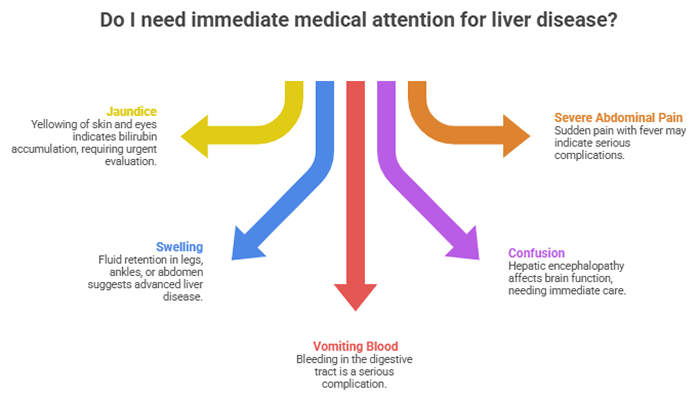
Jaundice (yellowing of the skin and whites of the eyes) occurs when bilirubin accumulates. This is never normal and always requires immediate evaluation.
Swelling in the legs, ankles, or abdomen indicates fluid retention from advanced liver disease.
Vomiting blood or passing black, tarry stools suggests bleeding in the digestive tract, a serious complication of liver disease.
Severe confusion or personality changes indicate hepatic encephalopathy, where toxins are affecting brain function.
Severe abdominal pain, especially if sudden or accompanied by fever, could indicate serious complications.
These symptoms indicate advanced liver disease requiring emergency medical care. Don’t wait—seek immediate help.
Common Liver Conditions and Their Early Presentations
Understanding how different liver conditions present helps you recognize what might be developing:
Fatty Liver Disease (NAFLD)
The most common liver condition affecting one in three adults, fatty liver disease typically produces no symptoms in early stages. When symptoms do appear, they’re usually the vague ones described above—fatigue, mild upper abdominal discomfort, and general malaise.
Fatty liver often accompanies diabetes, obesity, and metabolic syndrome. Understanding early fatty liver symptoms helps catch this increasingly common condition before it progresses to more serious stages.
Alcoholic Liver Disease
Progressive liver damage from excessive alcohol consumption follows a predictable pattern. Early stages might produce only vague digestive symptoms and fatigue. As disease advances, symptoms become more obvious.
The challenge is that many people don’t recognize their drinking as “excessive.” If you drink regularly and experience any early warning signs, honest evaluation of your alcohol consumption and its effects becomes crucial.
Viral Hepatitis
Hepatitis B and C can cause chronic liver inflammation for years with minimal symptoms. Some people experience flu-like symptoms during initial infection, then feel fine for years while the virus slowly damages their liver. This is why screening is important for anyone with hepatitis risk factors.
Autoimmune Hepatitis
In this condition, the immune system attacks the liver. It often develops gradually with vague symptoms like fatigue, joint pain, and mild abdominal discomfort that come and go. Because symptoms are non-specific, diagnosis often occurs only after significant damage has accumulated.
Primary Biliary Cholangitis and Primary Sclerosing Cholangitis
These conditions affect the bile ducts within the liver. Early symptoms often include persistent fatigue and itching—sometimes for years before diagnosis. Because symptoms are subtle and easily attributed to other causes, these conditions frequently go undiagnosed for extended periods.
What to Do If You Notice Warning Signs
If you recognize several of these early warning signs in yourself, don’t panic, but do take action:
Schedule a medical appointment. See your primary care physician or a gastroenterologist for evaluation. Be specific about all symptoms you’re experiencing, even ones that seem minor or unrelated.
Don’t self-diagnose. Many conditions can cause these symptoms. Proper diagnosis requires medical evaluation, not internet research.
Be honest about risk factors. Tell your doctor about alcohol consumption, medications you take, possible toxin exposures, and family history. Accurate information helps guide appropriate testing.
Get appropriate testing. Liver function tests (blood tests measuring liver enzymes and other markers) provide initial screening. Depending on results, imaging studies like ultrasound, CT, or MRI might be needed. Sometimes liver biopsy is necessary for definitive diagnosis.
Follow through with recommendations. If testing reveals liver problems, follow your doctor’s treatment plan. Early intervention can prevent progression to serious disease.
Understanding what symptoms warrant urgent evaluation helps you distinguish between issues that can wait and those requiring immediate attention.
Prevention: Protecting Your Liver Health
While recognizing warning signs is important, preventing liver disease is even better:
Limit alcohol consumption to moderate levels or abstain entirely if you have risk factors.
Maintain healthy weight through balanced nutrition and regular exercise. Even 5-10% weight loss significantly improves fatty liver.
Manage diabetes and metabolic conditions carefully with medical supervision.
Be cautious with medications. Many over-the-counter and prescription medications can stress the liver when used long-term or in high doses. Use them only as directed.
Get vaccinated against Hepatitis A and B if you haven’t been.
Practice safe behaviors to avoid Hepatitis C, which spreads through blood contact.
Avoid toxin exposure when possible, and use protective equipment when working with chemicals.
Eat a liver-healthy diet rich in vegetables, fruits, whole grains, and lean proteins while limiting processed foods, added sugars, and unhealthy fats.
The Importance of Regular Health Screenings
If you have risk factors for liver disease, regular screening even without symptoms makes sense. Simple blood tests can detect liver enzyme elevation before any symptoms develop. Early detection through screening provides the best opportunity for intervention and preventing disease progression.
People with diabetes, obesity, metabolic syndrome, or family history of liver disease should discuss appropriate screening schedules with their doctors. The small effort of routine testing can catch problems at the most treatable stage.
Finding Specialized Care
Liver disease can be complex, and specialized expertise often makes a significant difference in diagnosis and treatment. Gastroenterologists with hepatology training specialize in liver conditions and stay current with the latest diagnostic techniques and treatment options.
If you’ve been diagnosed with liver disease or have concerning symptoms, seeking care from a specialist ensures you receive the most comprehensive, up-to-date treatment available.
Your Liver Deserves Attention
Your liver silently performs hundreds of essential functions every moment of every day. It deserves your attention and protection. Don’t ignore subtle warning signs because they seem minor. Don’t dismiss persistent symptoms because they’re not severe.
Early liver disease is often reversible. Advanced liver disease is not. The difference between these outcomes often depends on how quickly you recognize and act on early warning signs.
Pay attention to your body. If you notice several of the symptoms described here, especially if they persist or gradually worsen, seek medical evaluation. Your liver might be sending you urgent messages in the only quiet way it knows how. Listen to those messages before they become shouts you can’t ignore.
Protecting your liver health today ensures this remarkable organ can continue supporting your health for decades to come.
Expert Liver Health Evaluation
If you’re experiencing warning signs of liver problems or have risk factors for liver disease, Dr. Preetha Thomas, specialist gastroenterologist with expertise in hepatology in Pretoria, provides comprehensive liver evaluation and personalized treatment plans.
Contact us today at 012 367 4504/5 to schedule your consultation.