


Environmental changes are transforming the world at an alarming pace. These shifts influence ecosystems, food systems, and human health. One area that is experiencing a significant impact is digestive health. The digestive system is highly sensitive to external conditions. As a result, factors like pollution, climate change, contaminated water, and lifestyle modifications are affecting gut function today. Understanding these changes helps protect long-term well-being and improve global health outcomes.
Understanding the Connection Between Environment and Digestive Health
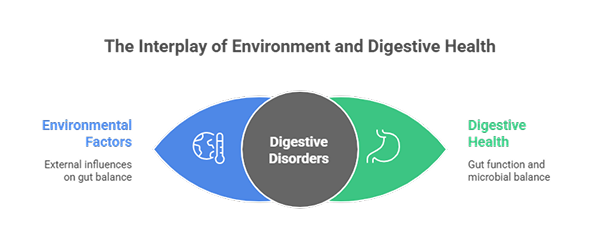
The digestive system relies on balance. It depends on clean water, safe food, stable temperatures, and healthy gut bacteria. When the environment changes, this balance becomes disrupted. Rising temperatures alter food production. Air pollution affects gut microbes. Water contamination leads to infections. These environmental pressures cause digestive disorders to increase worldwide.
Researchers now consider the gut a reflection of environmental quality. The healthier the environment, the stronger the digestive system tends to be. As climate-related stress rises, digestive health challenges follow.
Impact of Climate Change on Digestive Disorders
Climate change alters weather patterns and temperatures across the globe. These shifts influence food availability, food safety, and disease transmission. As temperatures rise, bacteria and viruses multiply faster. This condition increases the risk of gastrointestinal infections. Heat waves also spoil food more quickly, leading to food poisoning.
Extreme weather events like floods spread waterborne diseases. They contaminate drinking water with harmful pathogens. These infections affect the digestive system and cause diarrhea, nausea, and dehydration. Many regions now experience climate-related outbreaks that strain public health systems. Digestive illness becomes more common as the climate continues to change.
Air Pollution and Its Influence on Gut Microbiome
Air pollution affects more than the lungs. It also impacts the gut. Pollutants such as particulate matter and toxic chemicals enter the body through inhalation. These particles travel through the bloodstream and reach the digestive system. Once there, they disrupt the gut microbiome. The microbiome is essential for digestion, immunity, and nutrient absorption.
When air pollution alters gut bacteria, inflammation increases. This inflammation contributes to disorders like irritable bowel syndrome (IBS) and inflammatory bowel disease (IBD). Studies show that people living in highly polluted areas experience more digestive symptoms. Pollution weakens the gut barrier and allows harmful substances to pass into the bloodstream. This condition causes digestive imbalances and chronic discomfort.
Water Contamination and Digestive Infections
Clean water is vital for digestive health. Many environmental changes reduce access to safe drinking water. Industrial waste, agricultural chemicals, and sewage contaminate rivers and lakes. When people consume polluted water, they risk severe digestive infections.
Waterborne pathogens such as E. coli, cholera, and Giardia cause serious illness. These infections spread faster during climate events like storms and floods. In many developing countries, contaminated water remains one of the main causes of digestive diseases. Children, older adults, and people with weak immune systems face the highest risk. Understanding why plain water sometimes isn’t enough for proper hydration and digestive health is crucial in maintaining gut wellness.
Food Production Changes and Their Effect on Gut Health
Climate change affects soil quality, crop growth, and food supply chains. As temperatures rise, farmers struggle to grow nutritious foods. Droughts reduce crop yields. Floods destroy farmland. These conditions lead to food shortages and higher prices.
Poor-quality food impacts digestive health. Highly processed foods replace fresh produce when natural foods become scarce. Low-fiber diets weaken gut function and reduce microbial diversity. Pesticides and chemicals used in farming also enter the digestive system. These substances irritate the gut lining and create long-term problems.
Additionally, global warming increases the spread of crop fungi. These fungi release toxins that cause digestive disorders. Climate-related changes in agriculture continue to affect food safety worldwide. Learning about eating for a healthy liver and foods that help and hurt can protect your digestive organs from environmental stressors.
Stress From Environmental Instability
Environmental instability increases stress levels globally. Natural disasters, rising temperatures, and pollution create psychological pressure. Stress directly affects digestion. When stress levels rise, the gut and brain communicate poorly. This imbalance causes bloating, acid reflux, constipation, and diarrhea.
People living in unstable environments often report more digestive problems. Chronic stress reduces gut motility and disrupts gut bacteria. As environmental stress grows, digestive symptoms become more common.
Urbanization and Lifestyle Shifts
Urban areas continue to expand rapidly. While cities offer opportunities, they also contribute to digestive concerns. Urban pollution affects air quality. Fast-paced lifestyles increase stress. Processed foods become convenient options. These changes alter digestive health patterns.
Many city dwellers consume low-fiber diets. They rely on packaged foods that contain preservatives and additives. These ingredients disrupt gut bacteria and slow digestion. Sedentary lifestyles also reduce intestinal movement. Lack of physical activity increases constipation and digestive discomfort.
As urbanization rises, digestive disorders become more widespread.
Loss of Biodiversity and Its Effect on Gut Health
Natural biodiversity supports both ecosystems and human health. When biodiversity declines, gut microbiome diversity declines as well. Exposure to natural microbes helps the immune system develop. Modern environments offer fewer opportunities for this exposure.
Deforestation, pollution, and climate change reduce soil and plant diversity. This loss affects the types of bacteria humans encounter. With fewer beneficial microbes available, gut health weakens. Reduced microbial diversity increases the risk of allergies, IBS, and autoimmune digestive conditions.
Chemical Exposure and Digestive System Damage
Environmental chemicals enter food, water, and air. These chemicals include pesticides, plastics, heavy metals, and industrial waste. When they enter the digestive system, they irritate the gut lining. Long-term exposure leads to inflammation and digestive diseases.
Microplastics are now found in drinking water and seafood. These tiny particles disturb gut bacteria. They also cause oxidative stress inside the digestive tract. Heavy metals like lead and mercury damage intestinal cells. These exposures weaken digestion and increase disease risks.
Global Spread of Infectious Diseases
Environmental changes influence infectious disease patterns. Warmer climates allow pathogens and disease-carrying insects to spread farther. Many of these pathogens target the digestive system. For example, warmer oceans increase the growth of Vibrio bacteria. These bacteria cause severe digestive infections when people eat contaminated seafood.
As global temperatures rise, digestive infections become harder to control. Public health systems must adapt to new disease threats.
Food Safety Challenges in a Changing Environment
Food safety declines as the environment becomes unstable. Extreme temperatures cause food to spoil faster. Supply chain delays increase contamination risks. Flooding transports chemicals and waste into farms. These hazards create unsafe food conditions.
Spoiled or contaminated food leads to food poisoning. Symptoms include vomiting, diarrhea, and abdominal pain. Foodborne illnesses rise during heat waves. Climate change makes safe food handling more difficult worldwide.
Gut-Brain Axis and Environmental Stress
The gut and brain communicate through the gut-brain axis. Environmental stress disrupts this communication. When the brain senses danger, digestive function slows. If this stress continues, chronic digestive issues develop.
Air pollution, noise pollution, and extreme heat all increase stress levels. These conditions trigger hormonal changes that affect digestion. Many people now experience stress-related gut disorders due to their environment.
Vulnerable Populations at Higher Risk
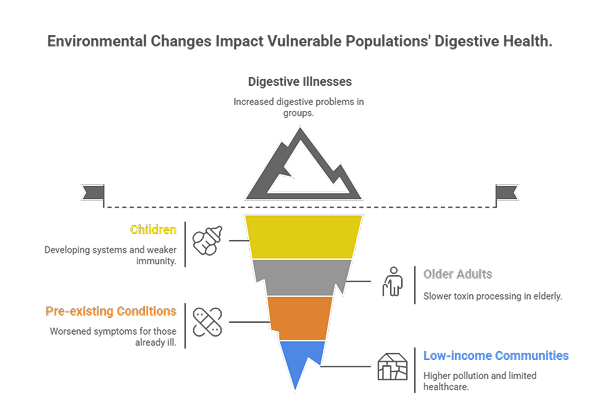
Environmental changes affect everyone, but some groups face higher risks:
- Children have developing digestive systems and weaker immunity.
- Older adults process toxins more slowly.
- People with pre-existing digestive conditions experience more severe symptoms.
- Communities in low-income areas face higher pollution and limited healthcare access.
These populations experience more digestive illnesses as environmental conditions worsen.
How to Protect Digestive Health in a Changing Environment
Although global environmental change is unavoidable, individuals can protect their digestive systems through healthy habits:
- Drink clean, filtered water.
- Eat fiber-rich and minimally processed foods.
- Reduce exposure to pollution when possible.
- Manage stress through meditation, exercise, and proper sleep.
- Wash produce thoroughly to remove chemicals.
- Support biodiversity by choosing organic and sustainable foods.
- Stay updated on food safety alerts and environmental health warnings.
Small lifestyle improvements help maintain strong digestive function.
Conclusion
Environmental changes are reshaping digestive health worldwide. Pollution, climate change, contaminated water, chemical exposure, and lifestyle shifts place increasing pressure on the gut. These changes disrupt gut bacteria, weaken immunity, and increase digestive diseases. Understanding these connections empowers people to protect their health. While global challenges continue to rise, informed choices and sustainable habits support better digestive wellness in the years ahead.
Need Expert Care for Your Digestive Health?
If you’re experiencing digestive symptoms or concerns about environmental impacts on your gut health, Dr. Preetha Thomas, gastroenterologist in Pretoria , offers comprehensive digestive care with compassion and expertise. With specialized training in gastroenterology and a focus on personalized treatment plans, Dr. Thomas can help you navigate your digestive health challenges.
Contact us today to schedule a consultation.