


Rotavirus remains one of the leading causes of severe diarrhea and dehydration in infants and young children worldwide. Before the introduction of rotavirus vaccines, this virus sent thousands of children to hospitals annually, with some cases resulting in life-threatening complications. Understanding rotavirus, recognizing its symptoms early, and knowing about vaccination and treatment options empowers parents to protect their children’s health effectively. This comprehensive guide provides essential information every parent should know about rotavirus.
What Is Rotavirus?
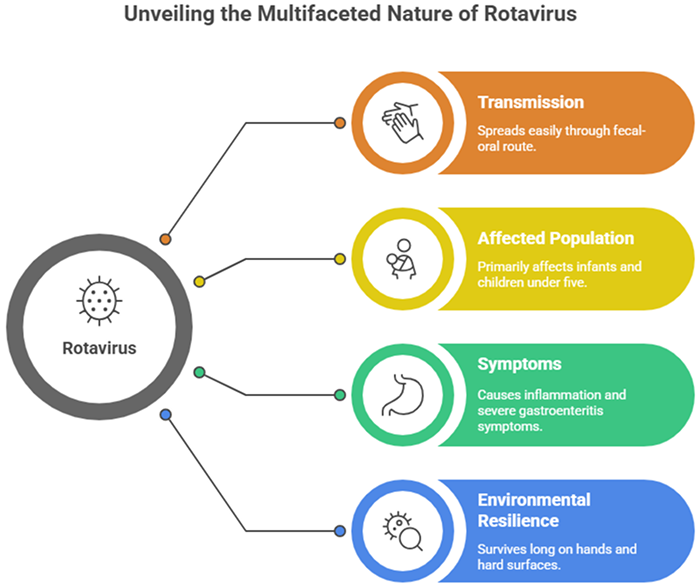
Rotavirus is a highly contagious virus that infects the intestines, causing inflammation and severe gastroenteritis. The virus gets its name from its wheel-like appearance under an electron microscope (“rota” means wheel in Latin). It spreads incredibly easily through the fecal-oral route, meaning contaminated hands, surfaces, food, or water transmit the infection.
The virus primarily affects infants and children under five years old, though older children and adults can also contract it. However, infections in older individuals typically produce milder symptoms because previous exposures build some immunity. Young children experiencing their first rotavirus infection often develop the most severe symptoms.
Rotavirus proves remarkably resilient in the environment. It survives on hands for several hours and on hard surfaces for days or even weeks. This durability, combined with its low infectious dose (very few viral particles needed to cause infection), explains why it spreads so rapidly in settings where young children gather, such as daycare centers and homes with multiple children.
How Rotavirus Affects Children
When rotavirus enters the body, it targets the small intestine. The virus infects and damages the cells lining the intestinal walls. These cells normally absorb water and nutrients from digested food. When rotavirus destroys them, the intestine cannot absorb water properly, leading to watery diarrhea.
The infection also triggers inflammation throughout the digestive tract. This inflammation causes additional fluid secretion into the intestines, worsening diarrhea. The combination of reduced absorption and increased secretion creates the profuse, watery diarrhea characteristic of rotavirus infection.
The body loses significant amounts of fluid and electrolytes through diarrhea and often accompanying vomiting. If these losses aren’t replaced quickly, dehydration develops. Severe dehydration represents the most dangerous complication of rotavirus infection, potentially leading to hospitalization and, in severe cases, life-threatening consequences.
Recognizing Rotavirus Symptoms
Rotavirus symptoms typically appear one to three days after exposure to the virus. The infection follows a predictable pattern in most children, though severity varies considerably.
Initial Symptoms
The illness often begins with fever and vomiting. Many children lose their appetite and become increasingly irritable. These early symptoms can resemble other common childhood illnesses, making immediate diagnosis challenging.
Gastrointestinal Symptoms
Within 12 to 24 hours, severe watery diarrhea develops. The diarrhea is typically profuse and frequent, occurring every few hours. Stools are watery and may appear yellowish or greenish. Unlike some bacterial infections, rotavirus diarrhea rarely contains blood or mucus.
Abdominal cramping and discomfort accompany the diarrhea. Children may clutch their stomachs or cry during bowel movements. Nausea and vomiting often persist, making it difficult for children to keep fluids down. Understanding how to identify and manage digestive issues in children helps parents recognize when symptoms require medical attention.
Duration
In most cases, rotavirus symptoms last five to seven days. Vomiting usually subsides after one to three days, while diarrhea may persist longer. Some children experience lingering digestive sensitivity for one to two weeks after the acute infection resolves.
Warning Signs of Dehydration
Dehydration poses the greatest risk during rotavirus infection. Parents must monitor children closely for dehydration signs and seek medical care promptly when warning signs appear.
Mild to moderate dehydration signs include:
- Decreased urination (fewer wet diapers in infants)
- Dry mouth and lips
- Absence of tears when crying
- Increased thirst
- Decreased activity level
- Slightly sunken eyes
Severe dehydration warning signs requiring immediate medical attention:
- Very few or no wet diapers for 8-12 hours
- Extreme lethargy or difficulty waking
- Sunken fontanelle (soft spot) in infants
- Very dry mouth and tongue
- No tears when crying
- Rapid heartbeat
- Rapid breathing
- Cool, mottled hands and feet
- Sunken eyes
Severe dehydration represents a medical emergency. Parents noticing these signs should seek immediate medical care or call emergency services.
The Importance of Rotavirus Vaccination
Rotavirus vaccination represents one of pediatric medicine’s greatest success stories. Since vaccine introduction, hospitalizations and deaths from rotavirus have declined dramatically in countries with routine vaccination programs.
How Rotavirus Vaccines Work
Two rotavirus vaccines are currently available: Rotarix and RotaTeq. Both are oral vaccines, meaning babies receive them as liquid drops in the mouth rather than through injection. The vaccines contain weakened (attenuated) forms of the virus that stimulate immune protection without causing severe disease.
These vaccines train the immune system to recognize and fight rotavirus. When vaccinated children encounter the actual virus, their immune systems respond quickly, preventing infection or significantly reducing symptom severity. Studies show vaccinated children who do contract rotavirus experience much milder illness than unvaccinated children.
Vaccination Schedule
The vaccination schedule depends on which vaccine a healthcare provider uses:
Rotarix (2-dose series):
- First dose: 6 weeks of age
- Second dose: At least 4 weeks after first dose
- Complete series by 24 weeks (approximately 6 months)
RotaTeq (3-dose series):
- First dose: 6 weeks of age
- Second dose: At least 4 weeks after first dose
- Third dose: At least 4 weeks after second dose
- Complete series by 32 weeks (approximately 8 months)
Both vaccines must be started by 15 weeks of age and completed by the specified age limits. This timing ensures maximum protection during the age when rotavirus poses the greatest risk.
Vaccine Safety and Effectiveness
Extensive research confirms rotavirus vaccines are safe and highly effective. Clinical trials involving tens of thousands of children demonstrated excellent safety profiles. The vaccines prevent approximately 85-98% of severe rotavirus cases and 74-87% of rotavirus cases overall.
Some infants experience mild side effects including temporary fussiness, mild diarrhea, or vomiting. These symptoms are generally brief and resolve without treatment. Serious side effects are extremely rare.
A very small risk of intussusception (a type of bowel obstruction) exists, occurring in approximately 1 in 20,000 to 1 in 100,000 vaccinated infants. However, this risk is minimal compared to the significant benefits of preventing severe rotavirus disease.
Who Should Not Receive the Vaccine
Most infants should receive rotavirus vaccination, but certain conditions contraindicate the vaccine:
- Severe allergic reaction to a previous dose
- Severe combined immunodeficiency (SCID)
- History of intussusception
- Moderate to severe illness at vaccination time
Healthcare providers assess each child individually to determine vaccination appropriateness.
Treatment Approaches for Rotavirus
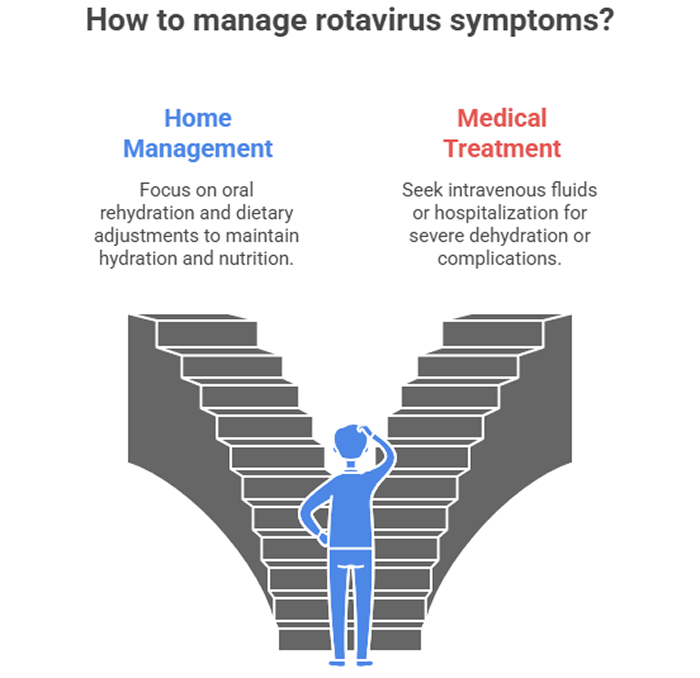
No specific antiviral medication treats rotavirus. Treatment focuses on managing symptoms and preventing complications, particularly dehydration.
Home Management
Most children with rotavirus can be managed at home with appropriate care. The primary goal is maintaining hydration while the infection runs its course.
Fluid Replacement:
Oral rehydration solutions (ORS) represent the cornerstone of rotavirus treatment. These specially formulated solutions contain precise amounts of sugar and salts that promote optimal water absorption in the damaged intestine. Commercial ORS products are available at pharmacies and should be kept in home medicine cabinets.
Offer small amounts of fluid frequently rather than large amounts at once. Give one to two teaspoons every few minutes, gradually increasing as tolerated. This approach helps prevent vomiting while ensuring steady fluid intake. Learning about proper hydration strategies becomes crucial during illness.
What to Avoid:
Plain water alone doesn’t provide adequate electrolyte replacement. Sports drinks, sodas, and fruit juices contain incorrect sugar-salt ratios and may worsen diarrhea. Avoid these beverages during acute illness.
Feeding:
Continue breastfeeding infants frequently throughout the illness. Breast milk provides nutrition, hydration, and immune factors supporting recovery. Formula-fed babies can continue their regular formula once vomiting subsides.
For older children, resume age-appropriate foods as soon as they can tolerate them. The traditional “BRAT diet” (bananas, rice, applesauce, toast) is no longer specifically recommended. Instead, offer a variety of easily digestible foods based on the child’s appetite.
Medical Treatment
Some children require medical intervention when home management proves insufficient.
Intravenous Fluids:
Children with moderate to severe dehydration often need intravenous (IV) fluid replacement in emergency departments or hospitals. IV fluids restore hydration quickly and effectively when oral intake is inadequate. Most children improve rapidly with IV hydration and can return home once hydrated and able to maintain oral fluid intake.
Hospitalization:
Severe cases may require hospital admission for continued IV fluids, monitoring, and supportive care. Hospitalization becomes necessary when:
- Dehydration remains severe despite initial treatment
- Vomiting prevents oral fluid retention
- The child shows signs of serious complications
- Underlying medical conditions complicate management
Medications:
Antidiarrheal medications are generally not recommended for rotavirus in young children as they may prolong infection and cause side effects. Antiemetics (anti-vomiting medications) are sometimes prescribed but should only be used under medical supervision.
Antibiotics don’t treat rotavirus because it’s a viral infection, not bacterial. Using antibiotics unnecessarily contributes to antibiotic resistance and provides no benefit.
Prevention Beyond Vaccination
While vaccination provides the most effective protection, additional measures reduce rotavirus transmission.
Hygiene Practices
Handwashing: Frequent, thorough handwashing with soap and water remains crucial. Wash hands:
- After diaper changes
- After using the bathroom
- Before preparing or eating food
- After touching potentially contaminated surfaces
Teach children proper handwashing techniques early. Supervise young children to ensure thorough cleaning.
Surface Disinfection:
Rotavirus survives on surfaces for extended periods. Regularly disinfect high-touch surfaces including:
- Changing tables
- Toilet handles
- Door knobs
- Toys
- Countertops
Use bleach-based disinfectants or EPA-registered products effective against rotavirus. Follow product instructions for appropriate contact time.
Isolating Sick Children
Keep children with rotavirus home from daycare, school, and public places until symptoms resolve. This prevents spreading infection to other children. Wait at least 24 hours after diarrhea stops before returning to group settings. Understanding common digestive issues affecting children helps distinguish rotavirus from other conditions.
When to Seek Medical Care
Parents should contact healthcare providers when children show:
- Signs of dehydration
- Blood in stool or vomit
- High fever (above 39°C/102°F)
- Severe abdominal pain
- Symptoms lasting more than seven days
- Inability to keep any fluids down
Immediate medical attention is necessary for severe dehydration signs or if parents feel concerned about their child’s condition.
Long-Term Outlook
Most children recover completely from rotavirus without lasting effects. The infection typically resolves within a week, though some digestive sensitivity may persist briefly. Some children develop temporary lactose intolerance after severe rotavirus infections. This usually resolves within one to two months.
Having rotavirus once provides some immunity against future infections. However, because multiple strains exist, children can experience rotavirus more than once, though subsequent infections are usually milder.
The Role of Gastroenterology Specialists
While most rotavirus cases resolve with home care, some situations benefit from specialist evaluation. Gastroenterologists help when children experience recurrent severe diarrheal illnesses, prolonged symptoms, or complications. Specialist consultation ensures appropriate diagnosis and management of complex cases. Exploring available pediatric gastroenterology procedures helps parents understand diagnostic options.
Conclusion
Rotavirus remains a significant cause of severe diarrhea and dehydration in young children, but vaccination has dramatically reduced serious cases. Understanding symptoms, recognizing dehydration warning signs, and knowing proper treatment approaches empower parents to care for affected children effectively. Vaccination represents the most effective prevention strategy, with high safety profiles and proven effectiveness. When infection occurs, prompt hydration and appropriate supportive care prevent complications. Most children recover fully within a week. Parents noticing severe symptoms or dehydration signs should seek medical care promptly to ensure optimal outcomes.
Expert Pediatric Digestive Care in Pretoria
If your child experiences persistent digestive issues, recurrent diarrheal illnesses, or you have concerns about their gastrointestinal health, Dr. Preetha Thomas, gastroenterologist in Pretoria, provides comprehensive evaluation and treatment for children’s digestive disorders with compassionate, family-centered care.
Contact us today to schedule a consultation.