


You’ve heard the saying your whole life: “Breakfast is the most important meal of the day.” But you’ve also heard that intermittent fasting is beneficial, and skipping breakfast is a key component of popular fasting protocols. So which is it? Does your digestive system actually need breakfast, or is it fine to skip it?
The answer, frustratingly, is: it depends. The relationship between breakfast and digestive health is more nuanced than simple “always eat” or “skip it” advice. As a gastroenterologist, I see patients on both ends of the spectrum—some who swear breakfast is essential for their digestive comfort, and others who feel better skipping it entirely.
Let me walk you through exactly what happens in your digestive system when you skip breakfast, who might benefit from morning meals versus who might not need them, and how to make the choice that works best for your individual digestive health.
What Happens Overnight: Understanding Morning Digestion
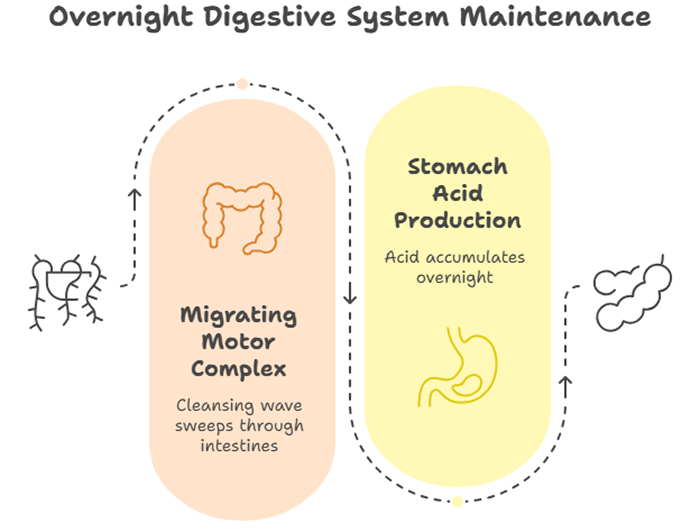
To understand breakfast’s role, we first need to understand what happens in your digestive system while you sleep. During the night, your digestive tract doesn’t simply shut down—it’s actively working on maintenance and cleaning.
Between meals, your digestive system undergoes what’s called the migrating motor complex (MMC). This is essentially a “housekeeping” wave of contractions that sweeps through your intestines, clearing out residual food particles, bacteria, and debris. These cleansing waves are crucial for digestive health.
The MMC only occurs when your digestive tract is empty—between meals or during fasting periods. During sleep, assuming you haven’t eaten late at night, your digestive system completes several of these cleaning cycles.
Your stomach also produces acid overnight, even without food present. This acid production follows circadian rhythms, with levels fluctuating throughout the day and night. By morning, your stomach contains accumulated acid that’s been produced overnight.
The Case for Eating Breakfast
For many people, eating breakfast provides important digestive benefits:
Buffers Morning Acid
That accumulated overnight stomach acid needs something to work on. When you eat breakfast, food buffers this acid, preventing it from irritating your stomach lining. People prone to acid reflux often feel better eating breakfast because it neutralizes excess acid.
Skipping breakfast while stomach acid accumulates can worsen reflux symptoms, cause stomach pain, or trigger nausea in sensitive individuals. This is why some people feel queasy or uncomfortable in the morning when they don’t eat.
Regulates Bowel Movements
Eating stimulates the gastrocolic reflex—a natural response where food entering your stomach triggers contractions in your colon. This reflex is often strongest in the morning, which is why many people have bowel movements after breakfast.
For people who struggle with chronic constipation, breakfast can be an important tool for maintaining regularity. Skipping breakfast may worsen constipation by missing this natural opportunity to stimulate bowel movements.
Stabilizes Blood Sugar
After fasting overnight, your blood sugar is relatively low. Eating breakfast provides glucose that your brain and body need to function optimally. Stable blood sugar also supports healthy gut bacteria and proper digestive hormone regulation.
Skipping breakfast can cause blood sugar to drop too low, triggering the release of stress hormones like cortisol and adrenaline. These stress hormones affect digestion, potentially causing stomach upset, cramping, or altered bowel habits.
Supports Digestive Enzyme Production
Eating stimulates the production of digestive enzymes and bile. Regular morning meals train your digestive system to be ready for food at consistent times. This predictability supports optimal digestive function.
When you skip breakfast regularly, your digestive system may not produce adequate enzymes when you finally do eat, potentially leading to incomplete digestion and discomfort when you break your fast later.
Prevents Overeating Later
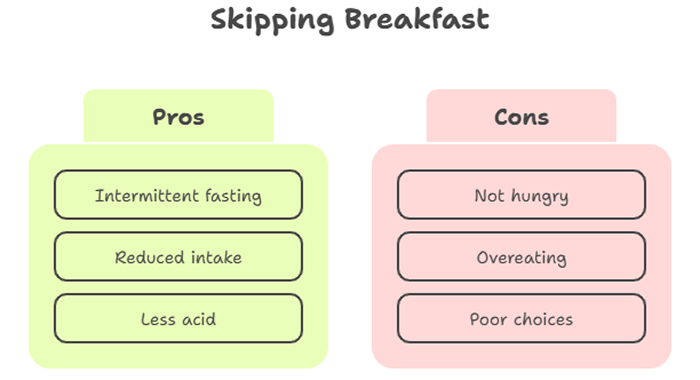
Skipping breakfast often leads to excessive hunger by lunch or afternoon. This hunger can drive you to overeat or make poor food choices, both of which can cause digestive distress. Large meals after long fasts put significant strain on your digestive system.
The Case Against Breakfast (Sometimes)
However, breakfast isn’t universally beneficial. Some people genuinely feel better skipping it:
Not Everyone Is Hungry
Morning appetite varies tremendously between individuals. Some people wake up ravenous; others feel no hunger until midday or later. Forcing yourself to eat when you’re not hungry can cause digestive discomfort.
True hunger signals are important. If you genuinely don’t feel hungry in the morning and feel fine without eating, your body might be telling you it doesn’t need breakfast.
Intermittent Fasting Benefits
Structured intermittent fasting—which typically involves skipping breakfast and eating within a compressed time window—provides benefits for some people. Extended fasting periods allow those migrating motor complexes to complete more cleaning cycles, potentially benefiting overall gut health.
Some research suggests intermittent fasting may improve insulin sensitivity, reduce inflammation, and even benefit certain digestive conditions. However, these benefits depend heavily on how you implement fasting and your individual health status.
Reduces Total Food Intake
For people trying to reduce overall calorie consumption, skipping breakfast is an easy way to create a calorie deficit. Eating fewer meals means consuming less food, which can reduce digestive workload.
However, this only works if you don’t compensate by overeating at later meals or making poorer food choices when you do eat.
May Reduce Acid Production Over Time
Interestingly, some people find that consistently skipping breakfast eventually reduces their morning stomach acid production. The body adapts to the fasting pattern, producing less acid when food isn’t expected.
This adaptation takes time—weeks to months—and doesn’t work for everyone. But for those it works for, skipping breakfast without digestive distress becomes possible.
Who Should Definitely Eat Breakfast
Certain individuals have specific digestive or metabolic needs that make breakfast particularly important:
People with GERD or acid reflux: Morning acid accumulation worsens these conditions. Breakfast helps neutralize acid and reduce symptoms.
Those with gastroparesis: This condition involves delayed stomach emptying. Smaller, more frequent meals—starting with breakfast—often work better than fewer large meals.
People taking morning medications that require food: Many medications irritate the stomach when taken on an empty stomach. Breakfast provides necessary protection.
Individuals with blood sugar regulation issues: People with diabetes, hypoglycemia, or metabolic syndrome often need regular meals to maintain stable blood sugar.
Those with constipation: The morning gastrocolic reflex is strongest after breakfast. Skipping this meal may worsen constipation.
People with high stress or anxiety: Skipping breakfast can trigger stress hormone release that worsens digestive symptoms in stress-sensitive individuals. The gut-brain connection means stress management includes eating patterns.
Anyone with eating disorders or disordered eating history: Regular meals, including breakfast, support recovery and prevent relapse.
Who Might Do Fine Without Breakfast
Some people tolerate breakfast skipping well:
Those who genuinely aren’t hungry in the morning: If you wake up feeling fine without hunger and don’t experience negative symptoms, your body might not need breakfast.
People practicing structured intermittent fasting: When done properly with adequate nutrition during eating windows, intermittent fasting can work well for some individuals.
Individuals without digestive conditions: If you have a healthy, robust digestive system without existing problems, you’re more likely to tolerate breakfast skipping.
Those who eat dinner early and sleep well: If your last meal was at 6 PM and you sleep soundly, your digestive system has had ample cleaning time by morning.
The Quality of Breakfast Matters Enormously
When you do eat breakfast, what you eat matters as much as whether you eat. A poor-quality breakfast can be worse than skipping it entirely.
Problematic breakfast choices:
- High-sugar cereals or pastries that spike blood sugar then crash it
- Processed meats that are hard to digest and inflammatory
- Large, heavy meals that overwhelm your digestive system first thing
- Coffee on an empty stomach without any food (increases acid production)
- Foods you’re sensitive to that trigger digestive symptoms
Beneficial breakfast choices:
- Protein-rich foods (eggs, Greek yogurt, cottage cheese)
- Whole grains that provide sustained energy
- Fruits and vegetables for fiber and nutrients
- Healthy fats (avocado, nuts, seeds)
- Adequate hydration alongside food
The timing also matters. Eating immediately upon waking versus waiting an hour or two affects how your body responds. Some people do better eating within the first hour; others prefer waiting until natural hunger develops.
Common Digestive Problems From Skipping Breakfast
When breakfast skipping doesn’t work for someone, specific symptoms often emerge:
Morning stomach pain or burning: Excess acid irritating the stomach lining without food to buffer it.
Nausea or queasiness: Can result from low blood sugar or excess acid accumulation.
Worsening acid reflux: Particularly problematic for those prone to GERD.
Afternoon or evening overeating: Excessive hunger leading to large meals that cause bloating, discomfort, and indigestion.
Constipation or irregular bowel movements: Missing the morning gastrocolic reflex opportunity.
Energy crashes and digestive symptoms later in the day: Blood sugar instability affecting overall digestive function.
Increased stress sensitivity: Breakfast skipping can heighten stress responses that manifest as digestive problems.
If you experience these symptoms when skipping breakfast, your body is telling you it needs morning fuel.
How to Experiment Safely
If you’re curious about whether breakfast helps or hinders your digestion, experiment thoughtfully:
Try two weeks eating breakfast daily: Choose balanced, moderate meals. Track how you feel—energy levels, hunger patterns, digestive comfort, bowel regularity, and overall wellbeing.
Then try two weeks skipping breakfast: Ensure you’re not just replacing breakfast calories with unhealthy snacks or enormous lunches. Stay hydrated. Track the same metrics.
Compare your experiences objectively: Which approach left you feeling better overall? Which supported more comfortable digestion? Which aligned better with your natural hunger patterns?
Consider hybrid approaches: Maybe breakfast five days weekly works best. Or perhaps a small, light breakfast rather than large meal. Or eating breakfast on workout days but skipping it on rest days.
The key is honest self-assessment rather than following rigid rules about what you “should” do.
The Cultural and Personal Context
Breakfast habits are deeply influenced by culture, family patterns, and individual lifestyle. What works in one context may not work in another.
Someone who does physical labor in the morning needs breakfast. Someone with a desk job might not. Someone who exercises before work likely needs fuel. Someone exercising after work might do fine fasting.
Your work schedule, sleep patterns, medication timing, stress levels, existing health conditions, and personal preferences all factor into whether breakfast serves you well.
Special Considerations for Different Life Stages
Children and teenagers: Generally need regular meals including breakfast for growth, development, and stable energy for school.
Pregnant and breastfeeding women: Typically need regular meals to support increased nutritional demands.
Older adults: Often do better with regular meals to maintain adequate nutrition and prevent excessive hunger that leads to falls or dizziness.
Athletes and highly active individuals: Usually need breakfast to support training and recovery.
These populations should approach breakfast skipping very cautiously if at all.
The Intermittent Fasting Question
Intermittent fasting has gained popularity, and breakfast skipping is central to most IF protocols. While some people thrive on IF, it’s not universally beneficial.
IF may help with:
- Weight management
- Insulin sensitivity
- Reduced inflammation
- Digestive rest and repair
But IF may worsen:
- Acid reflux and GERD
- Constipation
- Blood sugar instability
- Stress and anxiety
- Disordered eating patterns
- Nutrient deficiencies if eating windows are too restricted
If you’re interested in IF, consult with healthcare providers, especially if you have existing digestive conditions. Start gradually rather than jumping into extreme fasting protocols.
Listen to Your Body
Ultimately, the breakfast question comes down to individual biology. Your digestive system is unique. What works for your friend, spouse, or favorite health influencer might not work for you.
Pay attention to:
- Natural hunger signals
- Energy levels throughout the day
- Digestive comfort
- Bowel regularity
- Mood and cognitive function
- Overall sense of wellbeing
If skipping breakfast leaves you feeling energized and comfortable with healthy digestion, it’s probably fine for you. If it causes problems, breakfast is likely beneficial for your particular system.
Neither approach is inherently right or wrong—what matters is what works for your individual digestive health.
The Bottom Line
Skipping breakfast affects different people’s digestive systems in different ways. For some, it worsens acid reflux, disrupts bowel regularity, and causes discomfort. For others, it feels natural and causes no problems.
The key is honest self-assessment of how your body actually responds rather than following universal rules that may not apply to you. If you have existing digestive conditions, morning meals are more likely to be beneficial. If you’re healthy and not hungry in the morning, skipping breakfast might work fine.
What you eat when you do eat breakfast matters enormously—quality always trumps quantity. And remember that your needs may change over time as your health, lifestyle, and circumstances evolve.
Trust your body, experiment thoughtfully, and make the choice that supports your individual digestive wellness.
Expert Digestive Health Guidance
If you’re experiencing digestive problems related to meal timing or have questions about optimizing your eating patterns for digestive health, Dr. Preetha Thomas, specialist gastroenterologist in Pretoria, provides personalized evaluation and guidance.
Contact us today to schedule your consultation.