

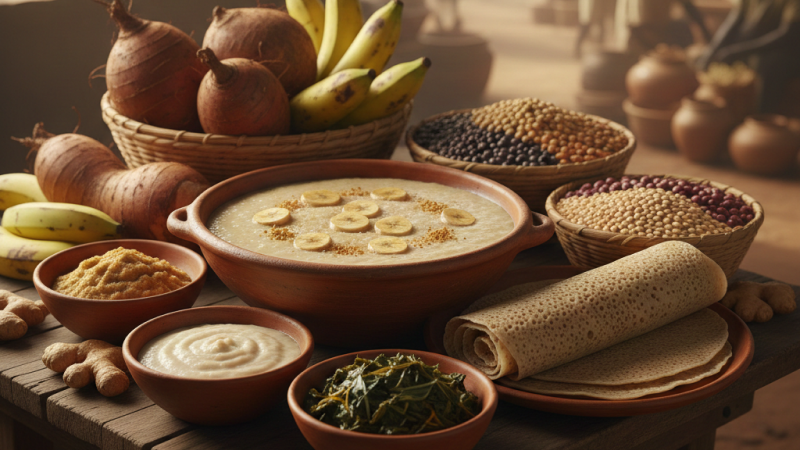
African cuisine offers a treasure trove of foods that naturally support digestive health. Long before modern nutritional science emerged, African communities developed dietary practices that promoted gut wellness through generations of traditional knowledge. These time-tested foods contain probiotics, fiber, and nutrients that modern research now confirms as essential for digestive function. Understanding how traditional African foods benefit gut health empowers people to make informed dietary choices while honoring cultural heritage.
The Digestive Benefits of Traditional African Diets
Traditional African diets emphasize whole, minimally processed foods that work synergistically to support digestive wellness. These diets typically include abundant vegetables, legumes, whole grains, fermented foods, and moderate amounts of meat. This dietary pattern aligns remarkably well with modern nutritional recommendations for optimal gut health.
The high fiber content in traditional African diets promotes regular bowel movements and feeds beneficial gut bacteria. Fermented foods provide natural probiotics that maintain healthy intestinal flora. The diversity of plant foods ensures a wide range of nutrients and phytochemicals that reduce inflammation and support the gut lining.
Unfortunately, urbanization and Western dietary influences have shifted many African diets toward processed foods, refined grains, and excessive sugar. This transition corresponds with increasing rates of digestive disorders across the continent. Reconnecting with traditional food wisdom offers a path back to better digestive health.
Fermented Foods: Nature’s Probiotics
Fermentation represents one of Africa’s oldest food preservation methods. This process creates beneficial bacteria that support gut health when consumed regularly.
Amasi (Maas)
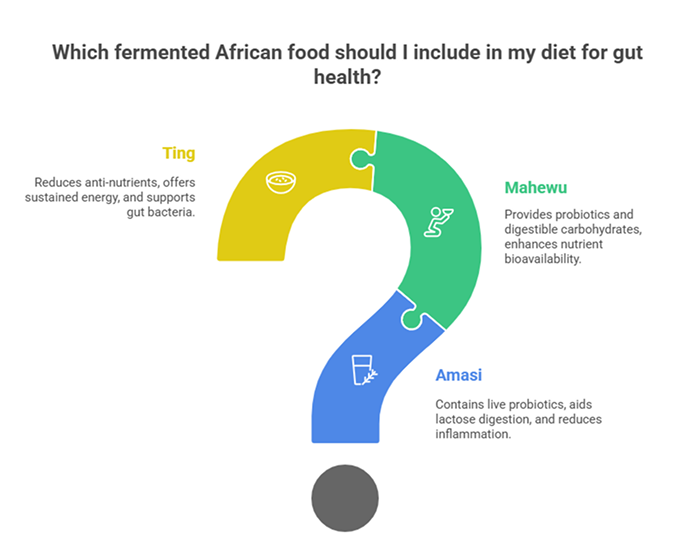
Amasi, a traditional fermented milk product popular throughout Southern Africa, contains live probiotic bacteria similar to yogurt. These beneficial microorganisms help maintain intestinal balance, improve lactose digestion, and strengthen immune function. The fermentation process breaks down some of the lactose in milk, making amasi easier to digest than fresh milk for people with lactose sensitivity.
Regular consumption of amasi supports diverse gut bacteria populations. The probiotics in amasi produce short-chain fatty acids that nourish intestinal cells and reduce inflammation. Many people find that including amasi in their daily diet improves bloating, gas, and irregular bowel movements. Understanding how probiotics and prebiotics work together helps maximize the benefits of fermented foods.
Mahewu
Mahewu, a fermented maize-based drink, provides both probiotics and easily digestible carbohydrates. The fermentation process increases the bioavailability of nutrients in maize while creating beneficial bacteria. Mahewu’s slightly sour taste indicates active probiotic content. This traditional beverage supports digestive health while providing energy and essential nutrients.
Ting
Ting, another fermented maize porridge, offers similar digestive benefits. The fermentation reduces anti-nutrients in maize that can interfere with mineral absorption. Regular consumption of ting provides sustained energy while supporting healthy gut bacteria populations.
Whole Grains and Starches
Traditional African diets feature various whole grains and starchy vegetables that provide essential fiber for digestive health.
Sorghum
Sorghum, one of Africa’s ancient grains, contains high levels of resistant starch and fiber. This grain feeds beneficial gut bacteria, promoting their growth and activity. Sorghum’s fiber content supports regular bowel movements and helps prevent constipation. The grain also contains antioxidants that reduce intestinal inflammation.
Sorghum porridge makes an excellent breakfast choice for digestive health. Its slow-digesting carbohydrates provide sustained energy without causing blood sugar spikes that can disrupt gut bacteria balance.
Millet
Millet offers similar digestive benefits to sorghum. This gluten-free grain contains both soluble and insoluble fiber. Soluble fiber forms a gel-like substance that soothes the digestive tract, while insoluble fiber adds bulk to stool and promotes regularity. Millet’s prebiotic properties feed beneficial bacteria, supporting overall gut health.
Sweet Potatoes
Sweet potatoes, widely consumed across Africa, provide exceptional digestive support. Their high fiber content promotes regular bowel movements. Sweet potatoes also contain resistant starch, which acts as a prebiotic, feeding beneficial gut bacteria. The antioxidants in orange-fleshed sweet potatoes reduce intestinal inflammation.
Eating sweet potatoes with the skin maximizes fiber intake. Cooking and cooling sweet potatoes increases their resistant starch content, providing even greater prebiotic benefits.
Indigenous Vegetables for Gut Health
African indigenous vegetables offer unique nutritional profiles that support digestive wellness.
Morogo (African Spinach)
Morogo encompasses various indigenous leafy greens including African nightshade, amaranth leaves, and wild spinach. These vegetables provide exceptional fiber content that promotes healthy digestion. They also contain minerals and vitamins that support intestinal cell function.
The bitter compounds in some morogo varieties stimulate digestive enzyme production, improving nutrient breakdown and absorption. Regular consumption of morogo supports liver function, which plays a crucial role in digestive health.
Umfino
Umfino, a traditional dish combining various indigenous greens, offers concentrated digestive benefits. The combination of different vegetables provides diverse nutrients and plant compounds that work together to support gut health. The traditional preparation methods, often including fermentation or extended cooking, make nutrients more bioavailable.
Pumpkin and Pumpkin Leaves
Both pumpkin flesh and leaves provide digestive benefits. Pumpkin flesh contains soluble fiber that soothes irritated intestinal tissue. Pumpkin leaves offer high fiber content and anti-inflammatory compounds. Traditional African cooking often uses both parts of the plant, maximizing nutritional and digestive benefits. Learning about foods that heal versus foods that harm helps make better dietary choices.
Legumes: Protein and Fiber Powerhouses
Legumes feature prominently in traditional African diets, providing both protein and digestive-supporting fiber.
Cowpeas (Black-Eyed Peas)
Cowpeas offer exceptional nutritional value for digestive health. Their high fiber content feeds beneficial gut bacteria and promotes regular bowel movements. The resistant starch in cowpeas acts as a powerful prebiotic, supporting diverse bacterial populations in the intestines.
Proper preparation of cowpeas improves digestibility. Soaking dried cowpeas overnight and cooking them thoroughly reduces compounds that can cause gas and bloating in sensitive individuals.
Bambara Groundnuts
Bambara groundnuts provide protein, fiber, and resistant starch. These nutritious legumes support healthy gut bacteria while providing sustained energy. Their fiber content helps regulate blood sugar levels, preventing the spikes that can negatively affect gut bacteria balance.
Traditional preparation methods, including soaking and fermentation, reduce anti-nutrients and improve digestibility. These time-tested techniques demonstrate the wisdom embedded in traditional food practices.
Traditional Cooking Methods That Support Digestion
How food is prepared significantly impacts its digestive effects. Traditional African cooking methods often enhance the digestive benefits of ingredients.
Slow Cooking and Simmering
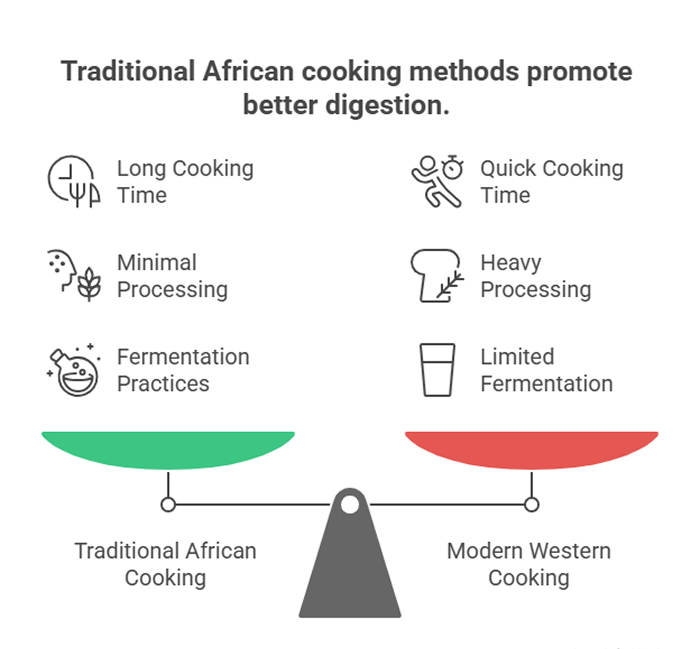
Traditional African cooking typically involves long, slow cooking times. This method breaks down complex carbohydrates and proteins, making them easier to digest. Slow-cooked foods place less stress on the digestive system compared to quickly prepared or raw foods.
Stews and porridges, staples of African cuisine, exemplify this gentle cooking approach. These dishes combine multiple ingredients that cook together, allowing flavors and nutrients to meld while becoming more digestible.
Fermentation
Beyond creating specific fermented foods, traditional African cooking often incorporates fermentation into preparation processes. Soaking grains and legumes before cooking initiates fermentation that reduces anti-nutrients and improves digestibility. This practice demonstrates intuitive understanding of digestive health principles.
Minimal Processing
Traditional African diets emphasize whole, minimally processed foods. Whole grains retain their fiber and nutrient content. Vegetables are often cooked simply with minimal added fats. This approach maintains the natural digestive benefits of ingredients while making them palatable and safe.
Spices and Herbs for Digestive Support
African cuisine incorporates various herbs and spices that aid digestion.
Ginger
Ginger, used throughout African cooking, stimulates digestive enzymes and reduces nausea. It helps move food through the digestive tract, preventing bloating and discomfort. Fresh ginger tea offers immediate relief for digestive upset.
African Bird’s Eye Chili
While hot peppers should be consumed moderately, small amounts can stimulate digestion and increase circulation to digestive organs. The capsaicin in chili peppers may help protect the stomach lining when used appropriately. However, people with sensitive digestive systems or conditions like acid reflux should exercise caution. Understanding how to manage IBS symptoms with food helps determine appropriate spice levels.
Wild Garlic
Wild garlic and cultivated garlic varieties used in African cooking provide prebiotic benefits. They feed beneficial gut bacteria while offering antimicrobial properties that help control harmful intestinal organisms. Garlic also supports liver function, which plays a vital role in digestion.
Hydration Traditions
Traditional African beverage choices support digestive health in important ways.
Rooibos Tea
Rooibos, indigenous to South Africa, offers digestive benefits without caffeine. This antioxidant-rich tea reduces inflammation throughout the digestive tract. Many people find rooibos helpful for calming digestive upset and supporting regular bowel function.
Bush Tea Infusions
Various traditional bush teas support digestion through their natural compounds. These teas often contain anti-inflammatory and antimicrobial properties that promote gut health. Traditional knowledge about which plants support digestion demonstrates sophisticated understanding of medicinal foods.
Water-Rich Foods
Traditional African diets include water-rich foods like watermelon, cucumber, and various gourds. These foods provide hydration along with fiber and nutrients. Adequate hydration remains essential for digestive health, as water helps move waste through the intestines and prevents constipation. Learning why plain water sometimes isn’t enough emphasizes the importance of proper hydration strategies.
Modernizing Traditional Diets While Preserving Benefits
Balancing traditional food wisdom with modern convenience requires conscious effort. Urbanization often reduces access to traditional ingredients and preparation methods. However, many traditional African foods remain available and can be incorporated into contemporary lifestyles.
Seek out local markets selling indigenous vegetables, whole grains, and traditional ingredients. Prepare fermented foods at home or find quality commercial versions. Choose whole grain versions of staple foods when possible. These small changes reconnect modern diets with traditional digestive health benefits.
When incorporating Western foods, maintain traditional eating patterns emphasizing vegetables, whole grains, and fermented foods. This approach preserves digestive health benefits while allowing dietary flexibility.
When Traditional Diets Aren’t Enough
While traditional African foods offer excellent digestive support, some digestive problems require medical intervention. Persistent symptoms including chronic pain, bleeding, unexplained weight loss, or severe changes in bowel habits need professional evaluation. These warning signs may indicate conditions requiring specific medical treatment beyond dietary changes.
A gastroenterologist can determine whether symptoms stem from dietary factors or underlying medical conditions. Many digestive disorders respond well to treatment when diagnosed early. Combining appropriate medical care with traditional dietary wisdom provides comprehensive digestive health support. Exploring available gastroenterology procedures helps understand diagnostic options.
Conclusion
Traditional African diets offer profound digestive health benefits through fermented foods, whole grains, indigenous vegetables, legumes, and thoughtful preparation methods. These time-tested dietary practices align remarkably well with modern nutritional science. Reconnecting with traditional food wisdom while adapting it to contemporary lifestyles supports optimal digestive function. Indigenous African foods provide natural probiotics, fiber, and nutrients that promote healthy gut bacteria, reduce inflammation, and support regular bowel function. Preserving and practicing traditional dietary knowledge benefits individual health while honoring cultural heritage. By choosing traditional African foods and preparation methods, people can improve digestive wellness while celebrating the rich culinary traditions of the continent.
Expert Digestive Health Care in Pretoria
If you’re experiencing digestive concerns or want personalized nutrition guidance for optimal gut health, Dr. Preetha Thomas, gastroenterologist in Pretoria, provides comprehensive evaluation and culturally sensitive treatment plans that honor your dietary traditions while addressing your health needs.
Contact us today to schedule a consultation.