


Monday morning arrives, and you settle into your desk chair with coffee in hand, ready to tackle the week. By Wednesday, you realize something’s wrong. You haven’t had a proper bowel movement in days. Your stomach feels bloated and uncomfortable, and you can’t focus on your work. If this scenario sounds familiar, you’re not alone. Millions of office workers worldwide struggle with work-related constipation, a problem so common yet rarely discussed openly. Your desk job isn’t just affecting your posture and energy levels—it’s fundamentally disrupting your digestive system’s natural rhythms.
The Sitting Epidemic and Your Gut
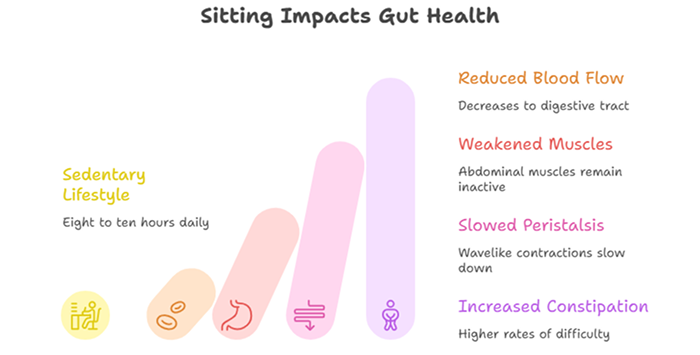
The human body wasn’t designed to sit for eight to ten hours daily. Our ancestors moved constantly, walked long distances, and squatted naturally—a position that happens to be optimal for bowel movements. Modern office culture has created a sedentary lifestyle that directly contradicts our digestive system’s needs.
When you sit for extended periods, several problematic changes occur in your body. Blood flow to the digestive tract decreases significantly. Your abdominal muscles, which help push waste through your intestines, remain inactive and weak. The natural peristaltic movements—wavelike muscle contractions that move stool through your colon—slow down considerably. Gravity, which normally assists in moving waste downward, becomes less effective when you’re seated.
Research shows that people who sit for more than six hours daily have significantly higher rates of constipation compared to those with active jobs. The longer you remain sedentary, the more time your colon has to absorb water from stool, making it harder, drier, and more difficult to pass. This creates a vicious cycle where constipation worsens the longer you sit.
Stress: The Silent Digestive Disruptor
Office environments breed stress. Deadlines, demanding bosses, difficult colleagues, performance reviews, and job security concerns create chronic psychological pressure. This workplace stress doesn’t stay in your mind—it directly impacts your digestive system through the gut-brain connection.
When you experience stress, your body enters “fight or flight” mode, triggering the release of stress hormones like cortisol and adrenaline. These hormones divert blood flow and energy away from digestion toward your muscles and brain, preparing you to handle perceived threats. Your digestive system essentially shuts down or slows dramatically during stressful periods.
Chronic work stress keeps your body in this heightened state continuously. Your intestines receive less blood flow and oxygen. The muscles that move waste through your colon contract less frequently and less effectively. Digestive enzyme production decreases. All these factors combine to create stubborn constipation that persists as long as workplace stress continues.
Additionally, stress affects the balance of bacteria in your gut microbiome. Beneficial bacteria that support regular bowel movements decline under chronic stress, while potentially harmful bacteria increase. This imbalance further contributes to sluggish digestion and irregular bowel movements.
The Breakfast Skip and Lunch Rush
Office schedules often wreak havoc on eating patterns, and irregular meal timing significantly impacts bowel regularity. Many workers skip breakfast entirely, rushing out the door to beat traffic. Others grab something quick and eat at their desk while checking emails. Lunch becomes a race against the clock, wolfed down in fifteen minutes before the next meeting.
Your digestive system thrives on routine and adequate time to process food. The gastrocolic reflex—your body’s natural urge to have a bowel movement after eating—works best when you eat regular, unhurried meals. When you skip breakfast, you miss this morning opportunity for a bowel movement. When you eat lunch quickly while stressed, the gastrocolic reflex doesn’t trigger properly.
Furthermore, office food choices tend toward convenience rather than nutrition. Vending machine snacks, cafeteria meals, takeout, and restaurant lunches typically contain less fiber and more processed ingredients than home-cooked meals. Low-fiber diets are a primary cause of constipation. Your colon needs adequate fiber to create soft, bulky stools that move easily through the intestines.
Dehydration at Your Desk
Proper hydration is essential for healthy bowel movements, yet office environments promote chronic dehydration. Air conditioning and heating systems create dry air that increases water loss through breathing and skin evaporation. Coffee, the office worker’s favorite beverage, acts as a mild diuretic, increasing urination and fluid loss.
Many people simply forget to drink water when focused on work. Hours pass between trips to the water cooler or kitchen. Some workers deliberately reduce water intake to avoid frequent bathroom breaks during long meetings or when the restroom is far from their desk.
When your body doesn’t receive adequate water, your colon absorbs more fluid from waste material to maintain hydration in other body systems. This makes stool progressively harder and more difficult to pass. Chronic mild dehydration is one of the most common but easily fixable causes of workplace constipation.
The Bathroom Break Stigma
Perhaps the most overlooked cause of work-related constipation is the psychological barrier to using workplace bathrooms. Many people feel uncomfortable having bowel movements at work due to embarrassment, lack of privacy, shared bathrooms, or fear of being away from their desk too long.
This reluctance to respond to natural bowel urges creates a serious problem. When you ignore the urge to defecate, the urge eventually fades. The longer stool remains in your colon, the more water gets absorbed, making it harder. Over time, repeatedly ignoring bowel urges can weaken the nerve signals that tell you when it’s time to go. You become chronically constipated because your body’s natural elimination signals have been suppressed.
Additionally, workplace bathrooms often lack the privacy and comfort needed for relaxed bowel movements. Stress and anxiety while using shared facilities can trigger the body’s stress response, which inhibits the muscles needed for defecation. This creates a frustrating situation where you feel the urge but cannot achieve results when you finally make it to the bathroom.
Practical Solutions for Office Workers
The good news is that work-related constipation is highly treatable through strategic lifestyle modifications that fit into your workday.
Movement Throughout the Day
Set a timer to stand and move every 30 to 60 minutes. Take short walks around the office, stretch at your desk, or do standing work when possible. Use stairs instead of elevators. Park farther from the building entrance. These small movements accumulate throughout the day, stimulating intestinal activity and improving blood flow to your digestive organs.
Consider requesting a standing desk or a desk converter that allows alternating between sitting and standing. Standing engages core muscles and keeps your body in a more natural, upright position that supports healthy digestion. Even standing for just two to three hours daily can significantly improve bowel regularity.
Take a 10 to 15 minute walk after lunch if possible. This post-meal movement takes advantage of the gastrocolic reflex and helps move food through your digestive system more efficiently. Walking also reduces stress and provides a mental break that benefits both productivity and digestion.
Establish a Morning Routine
Wake up 15 to 30 minutes earlier to allow time for a relaxed morning routine. Drink a glass of warm water with lemon upon waking to stimulate digestive activity. Eat a fiber-rich breakfast that includes whole grains, fruits, or vegetables. Sit calmly while eating rather than rushing.
After breakfast, allow yourself time to sit on the toilet, even if you don’t feel an immediate urge. This trains your body to establish a regular morning bowel movement pattern. The combination of waking, eating, and the natural gastrocolic reflex makes morning the optimal time for elimination. Creating this consistent routine helps regulate your bowel movements regardless of workplace stress.
Pack Fiber-Rich Lunches and Snacks
Bring lunch from home several times weekly to control nutritional content and fiber intake. Include vegetables, fruits, whole grains, beans, or lentils. These foods provide the fiber your colon needs to create soft, easily passed stools.
Keep healthy, fiber-rich snacks at your desk: almonds, fresh fruit, dried fruit, whole grain crackers, or raw vegetables with hummus. These snacks provide steady energy while supporting digestive health. Avoid relying on vending machines that typically offer low-fiber, processed options.
Hydration Strategy
Keep a large water bottle at your desk as a visual reminder to drink regularly. Aim for at least eight glasses of water daily, more if you drink coffee or work in a particularly dry office environment. Set reminders on your phone or computer to take drinking breaks.
If frequent bathroom trips concern you, front-load your hydration by drinking most of your water during the first half of the day. This ensures adequate hydration while reducing late-afternoon bathroom needs. Remember that adequate water intake is essential for soft, easy-to-pass stools.
Manage Workplace Stress
Incorporate brief stress-reduction practices into your workday. Take five-minute breathing breaks between tasks. Practice desk stretches or yoga poses. Step outside for fresh air during breaks. Listen to calming music with headphones when possible.
Consider whether certain work situations trigger particularly strong stress responses. Can you delegate some responsibilities? Set better boundaries? Communicate concerns to supervisors? While you cannot eliminate all workplace stress, identifying and addressing major stressors can significantly improve both mental health and digestive function. Understanding how stress affects digestion provides deeper insight into this connection.
Respect Your Body’s Signals
Never ignore the urge to have a bowel movement, regardless of where you are or what you’re doing. If the urge strikes during a meeting, excuse yourself. If you’re concerned about bathroom privacy, identify the most private bathroom in your building and use that one consistently.
Create a mental shift around workplace bowel movements. They’re a normal, necessary bodily function, not something shameful or embarrassing. Everyone in your office uses the bathroom for the same reasons. Prioritizing your health and comfort over perceived social awkwardness is essential for maintaining regular bowel function.
Consider Natural Aids
If dietary and lifestyle changes aren’t sufficient, consider natural constipation remedies. Magnesium supplements taken at night can help soften stools and promote morning bowel movements. Probiotic supplements support healthy gut bacteria that aid regular elimination.
Fiber supplements like psyllium husk can help if you struggle to get enough dietary fiber. However, increase fiber gradually and ensure adequate water intake, as too much fiber without enough water can worsen constipation. Managing chronic constipation requires a comprehensive approach combining multiple strategies.
When to Seek Medical Help
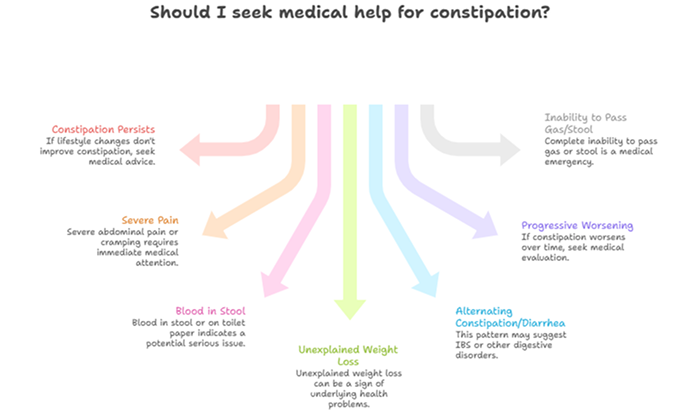
While work-related constipation often improves with lifestyle modifications, certain symptoms warrant professional evaluation:
- Constipation persisting despite consistent lifestyle changes
- Severe abdominal pain or cramping
- Blood in stool or on toilet paper
- Unexplained weight loss
- Alternating constipation and diarrhea
- Constipation that worsens progressively
- Complete inability to pass gas or stool
These symptoms may indicate underlying conditions like irritable bowel syndrome, thyroid disorders, medication side effects, or structural problems requiring specific medical treatment. Professional procedures can identify underlying causes and provide targeted treatment.
Conclusion
Your office job significantly impacts your digestive health through prolonged sitting, chronic stress, irregular eating patterns, dehydration, and psychological barriers to bathroom use. These factors combine to create stubborn constipation that affects millions of workers daily. However, work-related constipation is highly treatable through strategic interventions including regular movement breaks, establishing morning routines, packing fiber-rich foods, maintaining proper hydration, managing stress, and respecting your body’s natural elimination signals. Small, consistent changes to your workday habits can restore regular bowel movements and eliminate the discomfort that’s been affecting your productivity and quality of life. Don’t let your desk job control your digestive health—take action today to reclaim your comfort and regularity.
Struggling with Chronic Constipation?
If workplace constipation persists despite lifestyle changes, Dr. Preetha Thomas, gastroenterologist in Pretoria, provides expert evaluation to identify underlying causes and develop personalized treatment plans for lasting relief.
Contact us today to schedule a consultation.